
Unlock True Freedom With a Prepaid eSIM That Cuts the Cord
Ever wondered what a prepaid eSIM actually is and how it lets you skip the physical SIM card shuffle? It’s a digital profile you buy and download directly to your phone, activating instantly without needing a plastic card. This gives you the freedom to switch plans or add data on the fly, making travel or daily use incredibly flexible. The key convenience is managing everything from your device settings, often with no contract commitments.
Understanding the Shift Away from Physical SIM Cards
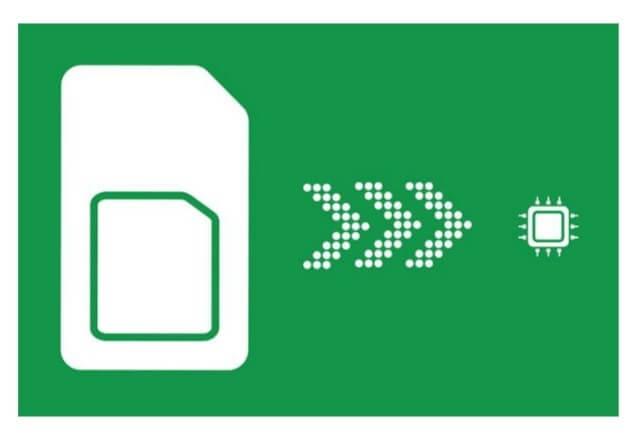
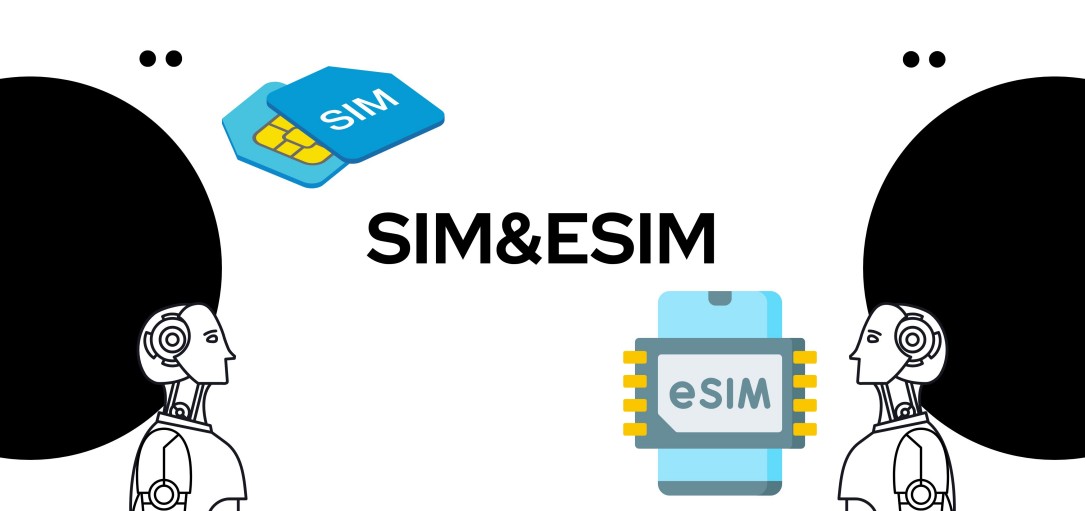
The shift away from physical SIMs to prepaid eSIMs is fundamentally about convenience and control. You no longer need to wait for a plastic card to arrive or hunt for a tiny tray with a paperclip. Activation happens instantly through a simple QR code or app download, letting you get connected abroad or to a new network within minutes. This matters especially for travel, as prepaid eSIMs remove the hassle of swapping physical cards between phones. Your device stays unlocked and ready, with multiple eSIM profiles stored digitally. The real game-changer is that you can manage these plans entirely from your phone’s settings, giving you the freedom to toggle between a local and travel prepaid eSIM without ever touching or losing a fragile chip.
How Embedded Subscriber Identity Modules Work on Modern Devices
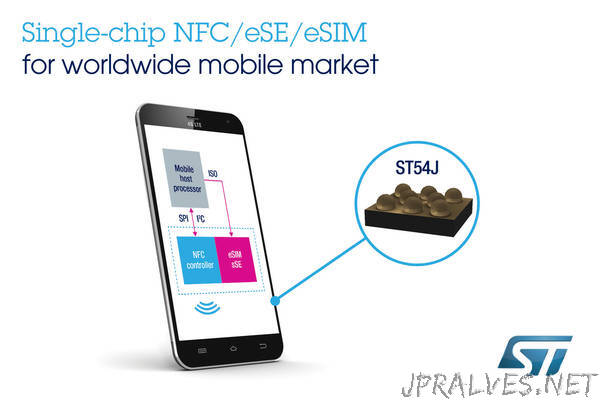
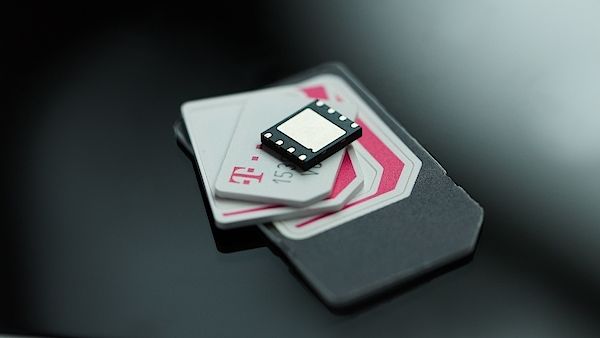
An embedded SIM (eSIM) is a permanent chip soldered directly onto a device’s motherboard, replacing the removable plastic card. For prepaid eSIM users, activation occurs by downloading a digital profile—a small file containing the carrier’s authentication keys—over a Wi-Fi or cellular connection. This profile securely stores subscriber data on the chip’s tamper-resistant element, allowing the device to switch networks without a physical swap. Modern smartphones, tablets, and smartwatches handle this via built-in menus under “Cellular” or “Mobile Data” settings, where users scan a QR code or enter an activation code to install the embedded SIM profile instantly.
- The eSIM chip is non-removable and stores multiple carrier profiles simultaneously, though only one active prepaid plan at a time.
- Users manage prepaid eSIMs by deleting or adding profiles through the device’s software interface, not by handling hardware.
- The profile’s authentication data is encrypted and cannot be transferred between different eSIM chips, ensuring each device has a unique, secure identity.
Why Travelers and Minimalists Prefer a Digital Profile
Travelers and minimalists favor a digital eSIM profile because it eliminates the need to source, insert, or store a physical plastic card. For a traveler, landing without searching for a local vendor or swapping SIMs reduces trip friction. A minimalist appreciates that digital profile portability removes the clutter of multiple, small cards and the risk of losing them. The same profile can be activated instantly upon arrival, then deleted when no longer needed, keeping the device’s physical tray free and the user’s load light. Q: Why do travelers and minimalists prefer a digital profile? They prefer it because it replaces a physical object with an on-demand, slotless solution that is activated remotely and discarded electronically, leaving no physical waste or logistics to manage.
Key Advantages of Pay-As-You-Go Connectivity
The core advantage of pay-as-you-go connectivity with a prepaid eSIM is absolute financial control; you fund your account with exactly what you need, avoiding surprise bills. Imagine landing in Tokyo: instead of hunting for a physical SIM, you scan a QR code and load a 5GB data pack for ten days. Your connectivity stops the moment your balance depletes, so you can never accidentally roam into a debt spiral. This model also lets you switch between local providers mid-trip, grabbing a cheaper Spanish eSIM when your French plan runs low. It’s about freedom without fine print—your budget dictates your connection, not a contract.
No Long-Term Contracts or Credit Checks Required
With prepaid eSIM, you bypass any long-term commitment entirely. There are no contracts locking you into monthly plans, so you can switch or cancel service instantly without penalties. Credit checks are never required, meaning anyone can get connected regardless of their financial history. This process follows a clear sequence:
- Purchase a data plan.
- Activate instantly via QR code.
- Top up only when needed.
The result is total control over your spending, with no hidden obligations forcing you to pay for unused data.
Instant Activation Without Visiting a Store
Instant activation without visiting a store is a game-changer for prepaid eSIM users. You simply scan a QR code or tap a link, and your connectivity begins in minutes from anywhere. No travel to a retailer or waiting for physical SIM delivery. This real-time digital setup works perfectly at the airport curb or during a layover. Even better, it eliminates the risk of store closures or sold-out SIM cards.
Q: Do I need an internet connection to activate instantly?
A: Usually yes, but a brief Wi-Fi spot or your current data completes the process effortlessly.
Keeping Your Primary Number While Adding a Data Line
Keeping your primary number while adding a data line is a core advantage of a prepaid eSIM dual-number setup. You avoid porting or swapping SIMs by installing an additional eSIM profile solely for data on your device, leaving your primary voice line active for calls and texts. This lets you tap into local or global data packages without disrupting your existing number’s service. It’s ideal for travel or testing a new carrier, as you retain accessibility on your main line while enjoying high-speed data elsewhere.
- Instantly add a data-only eSIM without changing your primary number.
- Keep your main line active for calls and SMS while using the data eSIM.
- Eliminate the need to physically swap SIM cards or deactivate your current service.
Comparing Top Providers for Flexible Data Plans
Comparing top providers for flexible data plans with a prepaid eSIM means scrutinizing how quickly you can top up or swap between data buckets without buying a new plan. Unlike traditional SIMs, these eSIMs let you jump between a 1GB day pass and a 20GB monthly pack from the same provider—but only if the app offers instant plan switching without requiring a new QR code. Some leaders, like Airalo, excel in sheer destination coverage, while Holafly focuses on unlimited high-speed tiers for travelers. The real differentiator is whether you can pause an active quota and resume it later, a feature only a handful of providers currently master. Always check if unused data rolls over or expires at month’s end, as this defines true flexibility.
Global Coverage vs. Regional Specialization Options
When comparing prepaid eSIM providers, the core strategic choice is between global coverage versus regional specialization. A global plan offers one profile for multiple countries, prioritizing convenience and eliminating the need to swap eSIMs when crossing borders. In contrast, a regional specialist focuses on one continent or nation, providing deeper carrier partnerships for superior local speeds, lower latency, and cheaper data per gigabyte. For instance, a global eSIM in Asia may throttle speeds, whereas a regional Asian plan unlocks full 5G on a local network. Q: When should I choose a regional plan over a global one? A: Choose regional if you stay in one area for over a week, as you will get faster speeds and significantly lower cost per GB than a world traveler needing multi-country access on a single eSIM.
Pricing Tiers and Data Allowance Structures
Prepaid eSIM plans slice data into distinct tiered allowance structures that directly influence your cost-per-GB. Operators typically offer bite-sized 1GB, 3GB, or 5GB packs for short trips, while heavy users target 10GB, 20GB, or unlimited soft-cap tiers. You must scrutinize whether a tier resets monthly, runs on a fixed 30-day cycle, or expires upon data depletion—each changes value. Some providers stack allowances across regions, letting you combine a 5GB regional pack with a 1GB global top-up. Others penalize overage with steep per-MB rates rather than allowing automatic tier upgrades. Always compare the effective per-GB price across two or three tiers to spot the sweet spot for your usage.
- Entry-level tiers (1–3GB) suit light browsing but cost more per GB than mid-range 10GB packs.
- Unlimited tiers often throttle speed after a hard cap (e.g., 20GB at full speed, then 128kbps).
- Multi-region allowance tiers let you pool Singapore eSIM unused data from one zone into another within a single plan.
Customer Support and Refund Policies in Competitive Markets
In competitive prepaid eSIM markets, providers differentiate through customer support responsiveness and refund terms. A strict money-back guarantee window is common, often limited to 24–48 hours after activation, requiring users to request refunds before using significant data. Support channels like 24/7 live chat are standard, but response times vary; self-service refund portals reduce friction for minor issues. Q: Can I get a refund if I buy a plan and it doesn’t work on my device? A: Yes, most providers offer a full refund if connectivity fails due to compatibility, provided you request it during the initial grace period and have not consumed any data.
Smartphone Compatibility and Setup Steps
For prepaid eSIM, smartphone compatibility requires the device to be unlocked and to support eSIM profiles (e.g., iPhone XR or newer, Google Pixel 4+). First, verify compatibility via the carrier’s IMEI checker. Setup steps typically involve purchasing a plan and scanning a QR code sent via email. You must have a stable Wi-Fi connection during activation to download the profile. After scanning, confirm the eSIM label (e.g., “Secondary”) and set it as the default for cellular data. Avoid removing the physical SIM during initial setup unless instructed.
Checking Device Support for Digital SIM Technology
Before purchasing a prepaid eSIM, verify your device’s compatibility by navigating to Settings > Cellular or Mobile Data to check for an “Add eSIM” option. Even unlocked phones from certain regions may lack the necessary embedded chip, so running a direct IMEI check with the carrier is essential. Confirm your device is not carrier-locked, as this blocks digital SIM activation. Always consult the manufacturer’s official list for eSIM support, as older models often exclude this feature.
Checking device support requires verifying IMEI compatibility, an unlocked carrier status, and a built-in eSIM chip to ensure your phone works with digital prepaid plans.
Downloading a Profile and Scanning a QR Code
After purchasing a prepaid eSIM, you must download its profile to your device. This is typically done by scanning a QR code provided via email or in-app. Ensure your smartphone is connected to Wi-Fi, then navigate to Settings, select Cellular or Mobile Data, and choose “Add eSIM.” Scan the QR code to initiate the secure profile download. The installation completes automatically, activating your new plan instantly without needing a physical SIM. Profile activation is usually immediate, but a device restart may be required.
- Scan the QR code from a clear, well-lit screen using your phone’s camera.
- Do not delete the confirmation email until the profile is fully installed.
- If scanning fails, manually enter the SM-DP+ address and activation code.
Managing Multiple Lines Within a Single Handset
Managing multiple prepaid eSIM lines within a single handset allows you to separate work, personal, and travel numbers without swapping physical SIMs. You assign a primary line for voice and messages while keeping secondary eSIMs active for data, switching between profiles in your device’s cellular settings. This setup ensures you can maintain a local prepaid eSIM for affordable data alongside your home number for calls. Strategic line assignment prevents billing confusion and keeps your primary number accessible.
- Label each eSIM profile clearly to avoid sending messages from the wrong line.
- Set one prepaid eSIM as the default for data to control roaming costs.
- Disable unused lines temporarily to conserve battery and manage alerts.
Choosing the Right Data Package for Specific Needs
Choosing the right prepaid eSIM data package starts with your actual usage. For occasional map checks and messaging, a small 1GB plan is perfect. If you’re streaming or video-calling daily, target at least 5GB—but check if your eSIM provider offers a mid-tier like 3GB for light streaming. Need a quick decision? Q: “How do I pick the right package when I have no clue?” A: “Estimate daily usage—most travelers overestimate, so start small; many eSIM apps let you top up instantly if you run low.” Don’t buy extra days you won’t use; select a package with the shortest valid period that covers your trip exactly. Prioritize local-only plans over regional ones to save, unless you’re hopping countries.
Light Users: Short Trips and Emergency Backup
For light users focused on short trips and emergency backup, prepaid eSIMs offer minimal-cost, high-utility solutions without long-term commitments. A 1–3 day data pass (e.g., 1GB) suffices for maps and messaging during a weekend getaway. As an emergency backup, a small top-up enables connectivity if your primary SIM fails. Choosing a plan with 7–30 day validity but tiny data caps ensures availability for unexpected use without recurring fees. This approach avoids wasting money on unused high-speed data while guaranteeing basic access when needed.
| Use Case | Data Need | Validity Preference |
|---|---|---|
| Short trip (1–3 days) | 0.5–2GB | Short (3–7 days) |
| Emergency backup | 100MB–1GB | Extended (15–30 days) |
Heavy Streamers: Unlimited Options and Fair Usage Policies
For heavy streamers, prepaid eSIMs with unlimited data plans are ideal, but you must scrutinize the Fair Usage Policy (FUP). These policies cap high-speed data—often at 20–50GB—then throttle speeds to 2G or 3G, making 4K streaming impossible. To avoid surprise slowdowns, follow this sequence:
- Check the FUP’s speed cap after the limit (e.g., 128 kbps is unusable for video).
- Verify if streaming services (Netflix, YouTube) are excluded from the unlimited bucket.
- Select a plan with a monthly data allowance that exceeds your average usage by at least 30%.
Even “unlimited” plans are not truly limitless; prioritize those with transparent, user-friendly FUP disclosures.
Business Travelers: Multi-Country Bundles and Reliability
For business travelers, multi-country eSIM bundles eliminate the hassle of swapping SIMs at every border, offering a single plan that activates automatically as you land. Reliability becomes non-negotiable: a traveler needs consistent, high-speed LTE in airports, taxis, and boardrooms across different nations. Prioritize providers that route data over tier-one local networks, not global roaming hubs that throttle during peak hours. A dedicated bundle should allow hot-spotting for laptops and provide a stable VPN connection for secure file access, ensuring workflow stays uninterrupted from Tokyo to Berlin.
Multi-country eSIM bundles deliver seamless connectivity for business travelers, but true reliability depends on local network partnerships and consistent high-speed data.
Common Pitfalls and How to Avoid Them
A primary pitfall with prepaid eSIMs is purchasing a plan incompatible with your device, so always verify your phone is carrier-unlocked and eSIM-compatible before buying. Another common issue is misreading the data validity: a “30-day” plan starts at activation, not purchase. To avoid losing unused data, activate only when you need it.
A critical mistake is failing to download the eSIM profile while you have a stable Wi-Fi connection, as losing signal mid-installation can corrupt the profile.
Lastly, never delete your eSIM profile before your trip ends, as re-downloading it often requires contacting support and paying again. Always screenshot your activation QR code and keep it accessible offline.
Verifying Network Coverage in Your Destination
A common pitfall is assuming a prepaid eSIM will work everywhere in your destination. Always verify network coverage in your destination by checking the eSIM provider’s map for the specific regions you’ll visit—rural areas often have gaps. For instance, a plan might cover major cities but not mountain trails or islands.
Q: How can I check coverage before buying? A: Use the provider’s coverage tool, enter your destination, and look for partner networks to see if your route is fully supported.
Understanding Data Throttling and Speed Caps
Understanding prepaid eSIM data throttling is critical to avoid a sudden slowdown. Many plans advertise “unlimited” data but impose a speed cap after reaching a specific gigabyte threshold, reducing you to 2G or 128 kbps. This makes streaming and video calls unusable, though messaging remains functional. Always scrutinize the “fair use policy” before purchase; it reveals exactly when the cap activates. A plan with a higher throttled speed, like 1 Mbps, can still be serviceable for maps and audio. To dodge this pitfall, compare the throttle limit across providers and buy a data package that exceeds your likely usage by at least 20%.
Ensuring Your Device Isn’t Carrier-Locked
A major pitfall when switching to a prepaid eSIM is assuming your phone is unlocked. If your device is carrier-locked, a foreign prepaid eSIM will simply fail to activate, leaving you without service. You must first check your phone’s settings under “Cellular” or “Network” for a “Carrier Lock” status, or request an unlock from your current provider. Verifying device compatibility before travel prevents wasted time and money. Without this step, even the best prepaid eSIM plan is useless.
Q: How do I confirm my device isn’t carrier-locked before buying a prepaid eSIM? A: Go to Settings > General > About (iPhone) or Settings > Connections > Mobile Networks (Android) and look for “No SIM restrictions” or “Network unlock.” If you see a carrier name, contact that carrier to unlock your device.
Future Trends in Prepaid eSIM Technology
Future prepaid eSIM technology will pivot toward hyper-personalized, just-in-time connectivity. Users will stack multiple prepaid eSIM profiles on a single device, instantly switching between them based on real-time network performance or cost.
AI-driven algorithms will automatically top up your prepaid eSIM with the cheapest local carrier the moment you cross a border, requiring zero manual planning.
Expect “burst bundles” that provide 10-minute high-speed passes for urgent tasks, and prepaid plans that blend IoT data sharing between your phone, watch, and car on one flexible account. The hardware itself will evolve: future eSIMs will support remote profile deletion to free space and allow for “eSIM cloning” for backup on secondary devices, all managed through seamless, carrier-agnostic wallets.
Integration with Internet of Things and Wearable Devices
Prepaid eSIM technology enables seamless Integration with Internet of Things and Wearable Devices by eliminating physical SIM slots, allowing smartwatches, fitness trackers, and IoT sensors to activate cellular connectivity instantly via a downloadable profile. For wearables, this permits independent data plans—users tether a prepaid eSIM to their smartphone account or purchase a separate top-up directly on the device. In IoT contexts, a prepaid eSIM enables remote provisioning for devices like smart locks or asset trackers, following a clear sequence:
- The device scans a QR code or initiates an OTA activation.
- The prepaid eSIM profile downloads and configures network credentials.
- The device connects to a carrier without manual swapping or physical installation.
This approach reduces hardware constraints and supports over-the-air plan management, crucial for battery-operated gadgets where size and energy efficiency matter.
Potential for Enhanced Security and Remote Provisioning
The future of prepaid eSIMs centers on hardware-backed secure enclaves for remote provisioning, isolating credentials from the device’s main OS to prevent cloning or interception. Users will no longer insert physical cards, but trigger an encrypted, over-the-air profile download that activates instantly. The provisioning process follows a clear sequence:
- QR scan or app command generates a unique, one-time authentication token.
- Token is verified by the carrier’s HSM (Hardware Security Module) via a dedicated, tamper-resistant channel.
- eSIM profile is injected into the secure element, bypassing all user-installed software.
This eliminates reliance on untrusted public Wi-Fi for first-time activation. For travelers, switching plans becomes a cryptographically signed transaction, not a store visit, ensuring both convenience and bulletproof identity control.
Impact of Regulatory Changes on Global Data Roaming
Regulatory shifts in data roaming directly reshape how prepaid eSIM users connect abroad. New rules often mandate transparent data caps and cost alerts, preventing unexpected charges from high-speed data overuse. Users may see forced throttling after exceeding fair-use limits, even on unlimited plans. Conversely, some regions now require local carriers to offer prepaid eSIM tourists temporary access to local 5G networks at regulated wholesale rates, reducing per-gigabyte costs. However, compliance deadlines may temporarily block cross-border profile downloads on older eSIM-compatible devices. These practical changes mean travelers must verify their eSIM’s compliance with destination-specific roaming mandates before departure.
Regulatory changes directly control prepaid eSIM data speeds, cost transparency, and network access across borders, forcing users to adapt purchasing habits.
What Exactly Is a Prepaid eSIM and How Is It Different from a Physical SIM?
Understanding the “e” in eSIM: Embedded vs. Removable Chips
Prepaid vs. Postpaid eSIM: Key Differences for Travelers and Budget Users
Can You Use a Prepaid eSIM Alongside Your Regular SIM Card?
How Does Activating a Prepaid eSIM Work Step-by-Step?
Scanning a QR Code vs. Manual Entry: Two Common Activation Methods
When Does the Prepaid Credit Start Counting Down?
What Happens if You Switch Devices or Reset Your Phone?
What Data Speeds and Coverage Can You Expect from a Prepaid eSIM?
Local vs. Regional Networks: How Providers Ensure Stable Connections
4G, 5G, and Throttling: Reading the Fine Print on Speed Limits
How to Choose the Right Prepaid eSIM Plan for Your Trip or Lifestyle
